How to check a luminaire manufacturer: a checklist
Company details, local-goods certificate, declaration, IES file and LM-79 report, warranty, DIALux calculation: what to ask a supplier and how to verify the answer.
We unpack what engineers and procurement officers ask about most: how to read the requirements of a lot, what sits behind the numbers on a data sheet, and what the climate of Uzbekistan changes.
Company details, local-goods certificate, declaration, IES file and LM-79 report, warranty, DIALux calculation: what to ask a supplier and how to verify the answer.
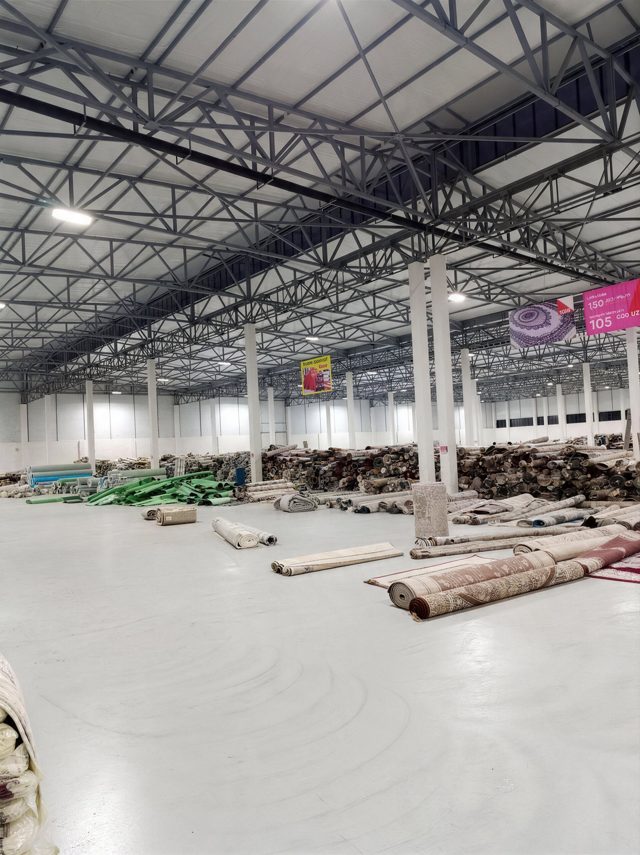
Warehouse 50-300 lx, production hall 200-500, street 4-15, car park 50, fuel station 75, shop 300-500, sports hall 300: one ShNK 2.01.05-24 table with references and links to the solutions.
Power with ballast, flux, depreciation and life: a 250 W HPS lamp, a 400 W metal halide lamp and an LED Prom 200W by catalogues, the EU regulation and the IES file.
What an IES file holds under LM-63, how to tell a module file from a luminaire file, load it into DIALux evo and what to check: flux, power, light distribution curve, utilisation factor.
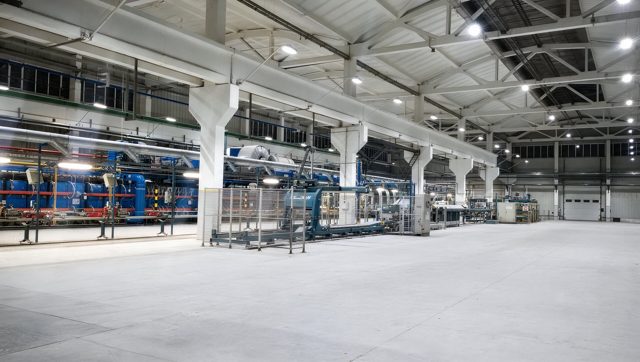
Survey, target by visual task class under ShNK 2.01.05-24, mounting height, DIALux from IES files and lux-meter acceptance. Step by step, with numbers for 250 W and 400 W metal halide lamps.
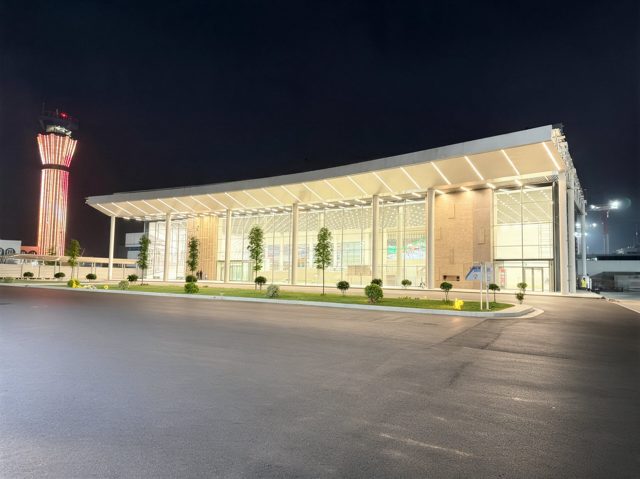
Street categories under ShNK 2.01.05-24, why a replacement is calculated from the norm rather than one-for-one, how much capacity is freed and which documents a state customer needs.
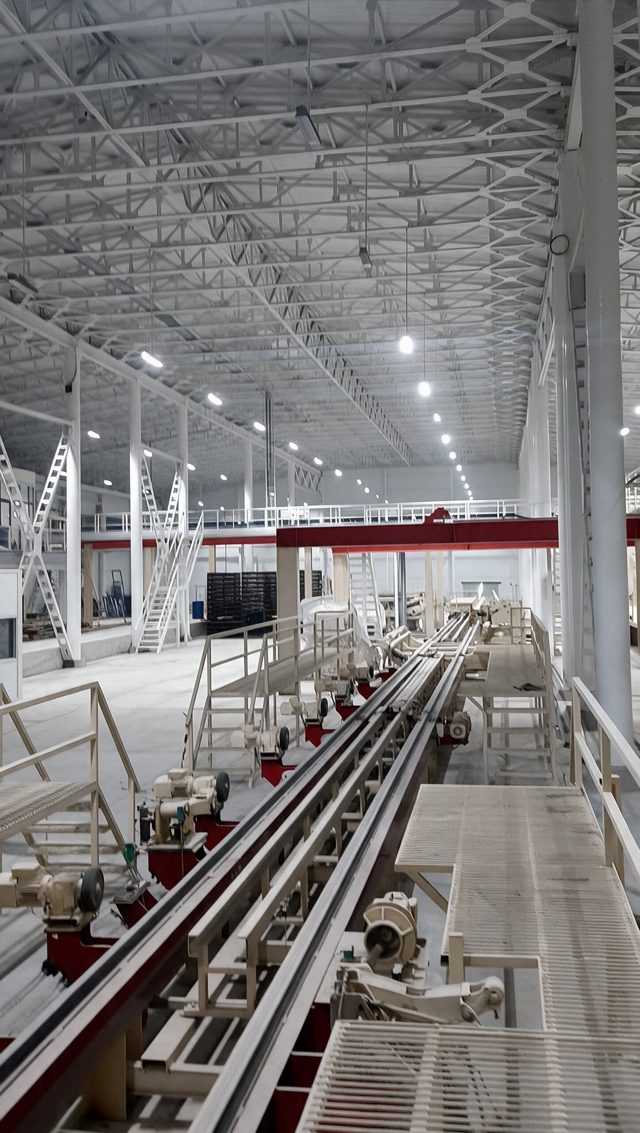
Lux, plane, visual task class, UGR and flicker for shop floor, warehouse, street, car park, fuel station, gym, shop and office with ShNK clauses; maintenance factor and lux-meter check.
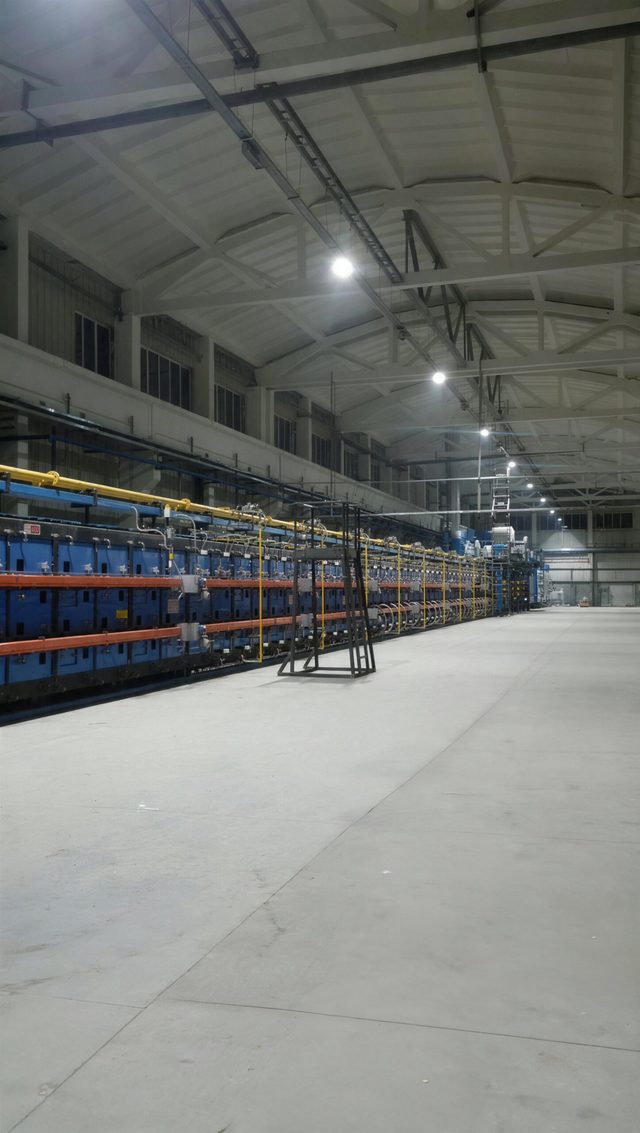
Rack and floor storage at 8 to 14 m: the ShNK 2.01.05-24 norm, light distribution curve, flux per square metre, a worked example on 5,000 m² and HPS 250 W to Prom by the IES file figures.
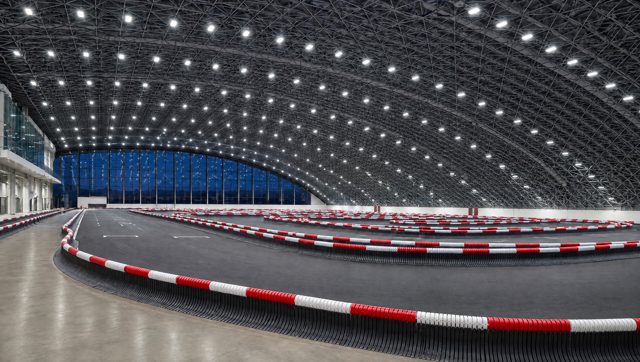
One formula, a tariff with its legal reference, an example on a 3,500 m² karting hall and a way to verify the saving by a measurement record rather than a promise.
Thresholds under Law ZRU-684 in BRV and UZS, what article 34 allows in a specification, parameters with tolerances and evidence, UP-17 preferences and eight errors that get a lot contested.
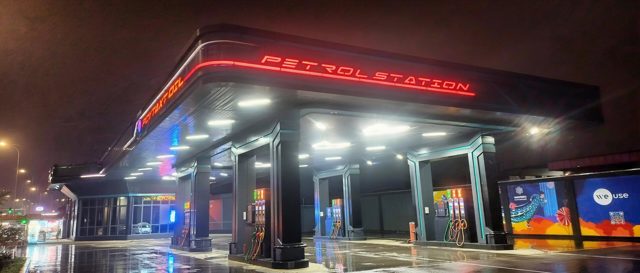
An HPS 250 W lamp with ballast draws 275 W and gives 30,000 lm by catalogue. What a one-for-one replacement gives, where the gain is 25% to 45% and where it doubles, and how to check it.
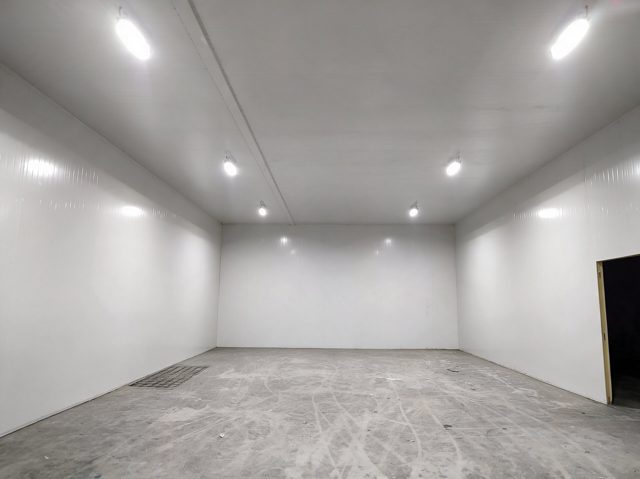
HPMV (DRL) mercury lamps stopped in 2020 and are almost gone. What hangs there instead - HPS, metal halide, fluorescent, early LED - and what replaces it, with catalogue and IES figures.
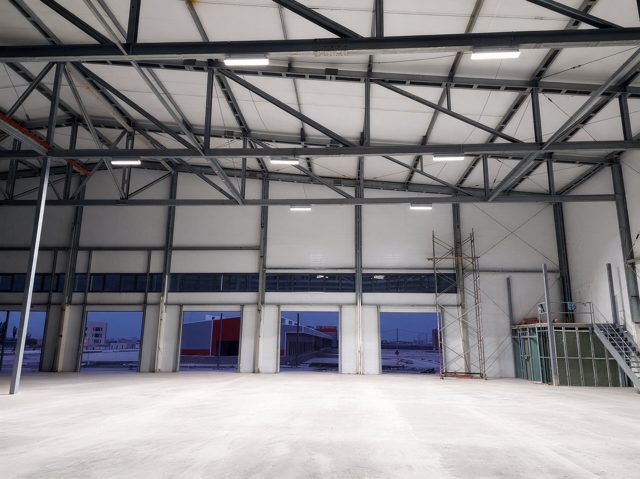
A 4 × 18 W louvred luminaire with ballast draws 108 W, a 2 × 36 W draws 90 W. What to replace them with, how much it saves and why the world market for linear lamps is winding down from 2026.
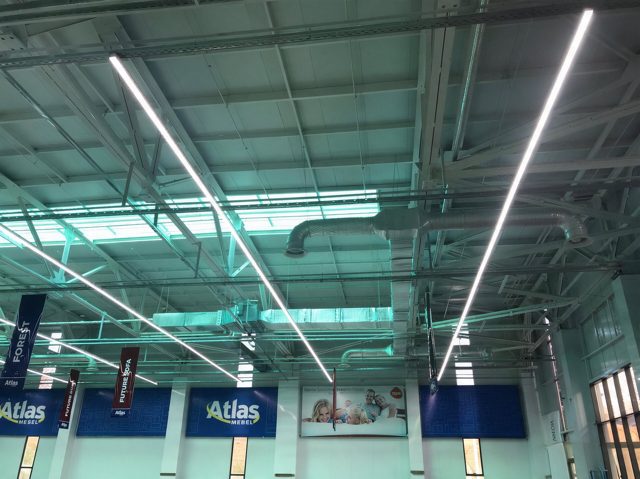
What lm/W, IP and Ra mean in tender requirements, and how to check them before you buy.
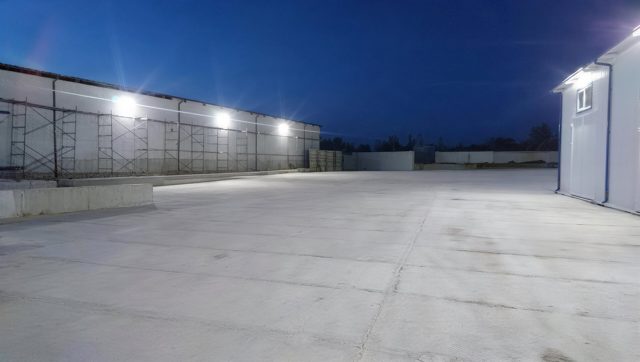
+44.3 °C in Tashkent on 19 July 2026, PM10 at 1,585 µg/m³ in the May 2025 storm, a grid peak of 14.2 GW. What follows for the design.